
Between 21–28 January, North Stirling Pallinup Natural Resource (NSPNR) undertook its annual Calicivirus (RHDV) rollout as part of ongoing efforts to manage feral rabbit populations across the region. This work forms part of the project “Protecting and restoring the Fitz-Stirling Priority Place for nature and people”, supported through funding from South Coast Natural Resource Management.
The program was delivered by our contracted baiter, Greg from GME, Feral Vertebrate Pest Management, who has extensive experience undertaking coordinated rabbit control across the landscape.
Rabbit Haemorrhagic Disease Virus (RHDV), commonly referred to as Calici, is a biological control used across Australia to help reduce feral rabbit numbers. Rabbits continue to have significant impacts on native vegetation, soil stability and agricultural productivity, making ongoing control an important part of land management. The virus spreads naturally through rabbit populations and can provide effective population knockdowns, particularly when used alongside other control methods.
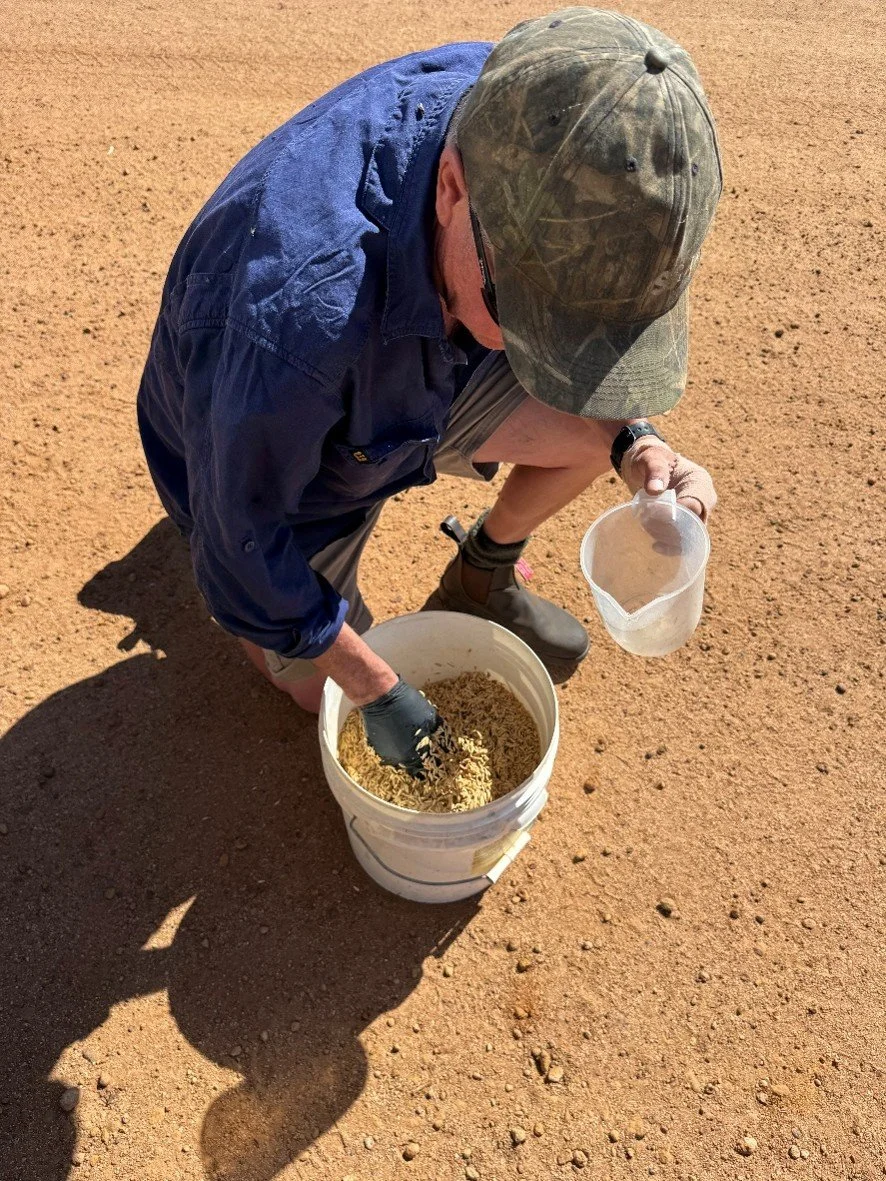
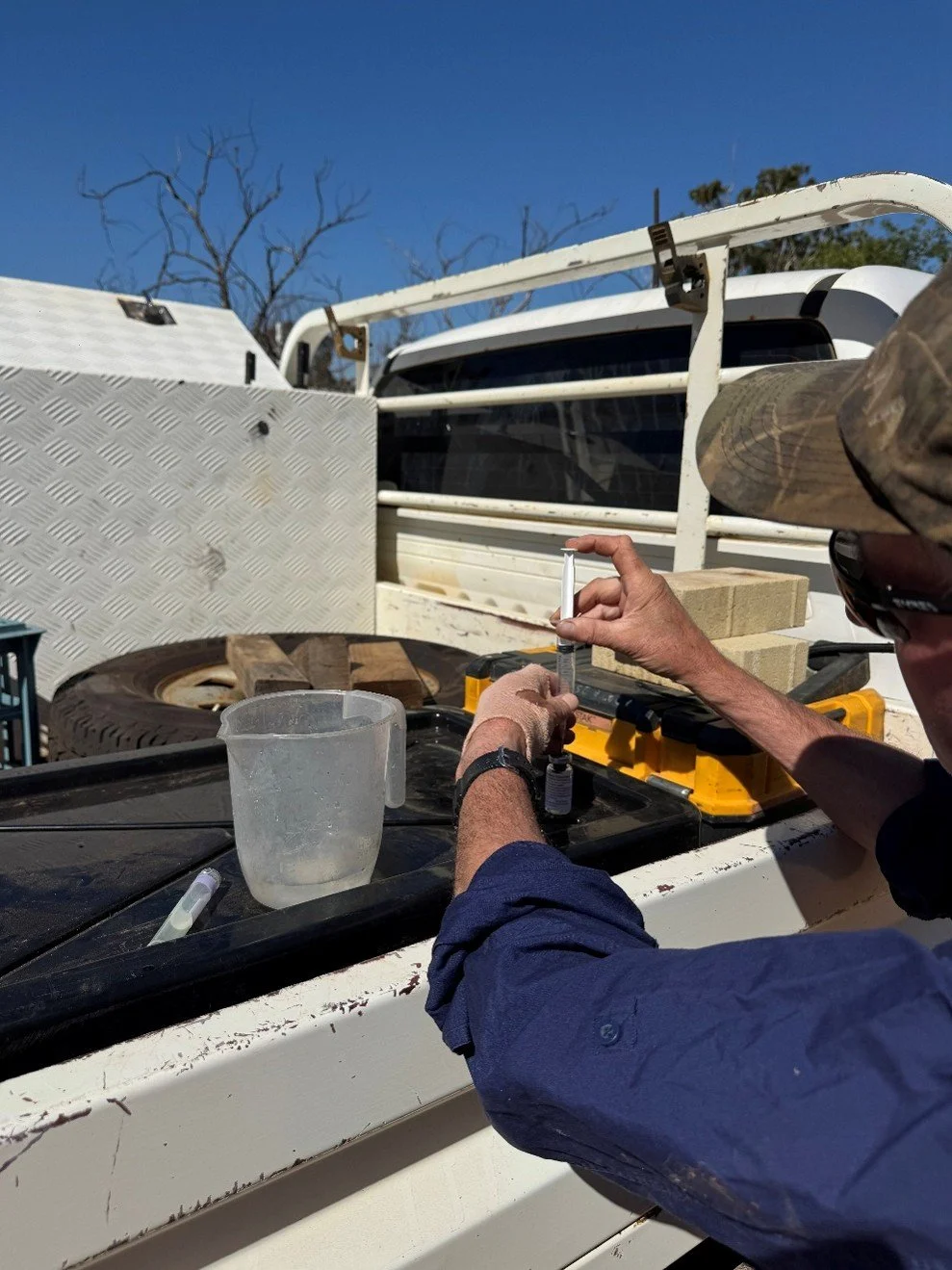
During the rollout, oats are prepared by mixing them with the virus under controlled conditions before being distributed near active warrens and feeding areas. The use of uncut oats allows the virus to remain protected within the shell of the grain for longer, helping maintain its effectiveness once laid. Timing is also an important factor in the success of Calici releases, with rollout occurring after harvest when food availability for rabbits is reduced. Dry seasonal conditions and the absence of green feed encourage rabbits to take the treated oats, improving the likelihood of uptake across the population.
While Calici remains a valuable tool, its success can vary from year to year. Environmental conditions, existing immunity within rabbit populations, and timing of releases can all influence outcomes, and in some areas results may be less noticeable. However, we have been fortunate to hear reports of landholders already finding dead bunnies and even less than before! For this reason, Calici is most effective when used as part of an integrated control approach rather than as a standalone solution.
Following the rollout, Greg will return to undertake follow-up monitoring and shooting, helping to assess rabbit activity and reduce remaining numbers. This follow-up work also contributes valuable observations that help guide future control efforts.
These activities link closely with NSPNR’s Feral Animal Tally, where landholders and community members participate in a coordinated feral animal shoot, followed by a tally the following morning. The tally provides an opportunity to record numbers removed across the region, helping build a clearer picture of feral animal impacts while supporting coordinated management efforts. The event includes cash prizes, a free breakfast and recognising the efforts of those contributing to feral animal control across the landscape.
This work, delivered under the Protecting and Restoring the Fitz-Stirling Priority Place for nature and people project and supported by South Coast Natural Resource Management, continues to support coordinated, landscape-scale efforts to protect biodiversity and improve outcomes for both nature and people across the Fitz-Stirling region.