What causes frost?
It’s been wondered what causes frosts, was it heavy rain or light rain. Recent findings established the frost occurs from a bacteria, that is within the clouds, is transported via light rain (often late afternoon/evening rain). It then dampens the crop and as the bacteria is more abundant in smaller water bodies, the bacteria works to freeze the water and the moister & nutrience within the crop.
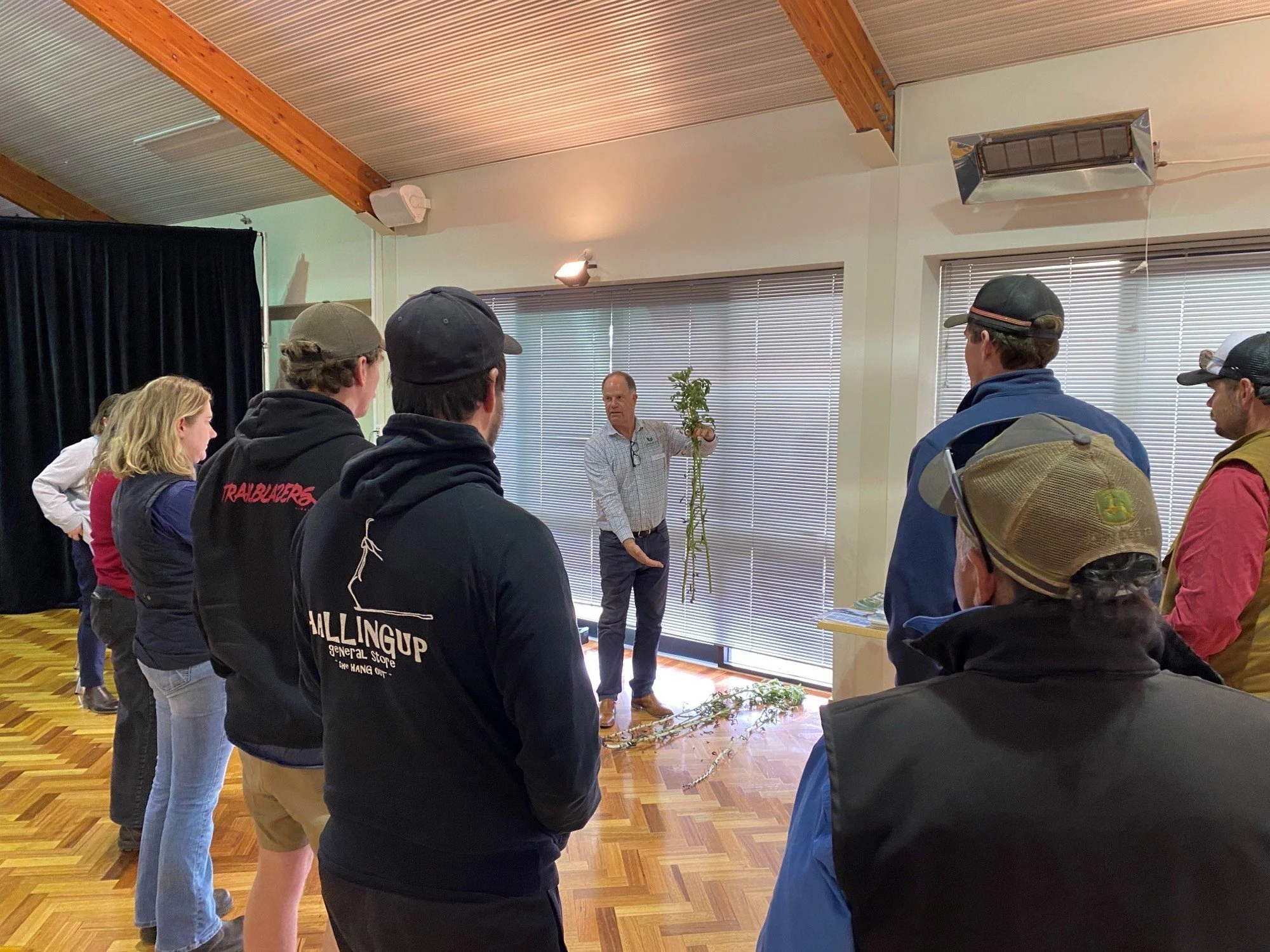
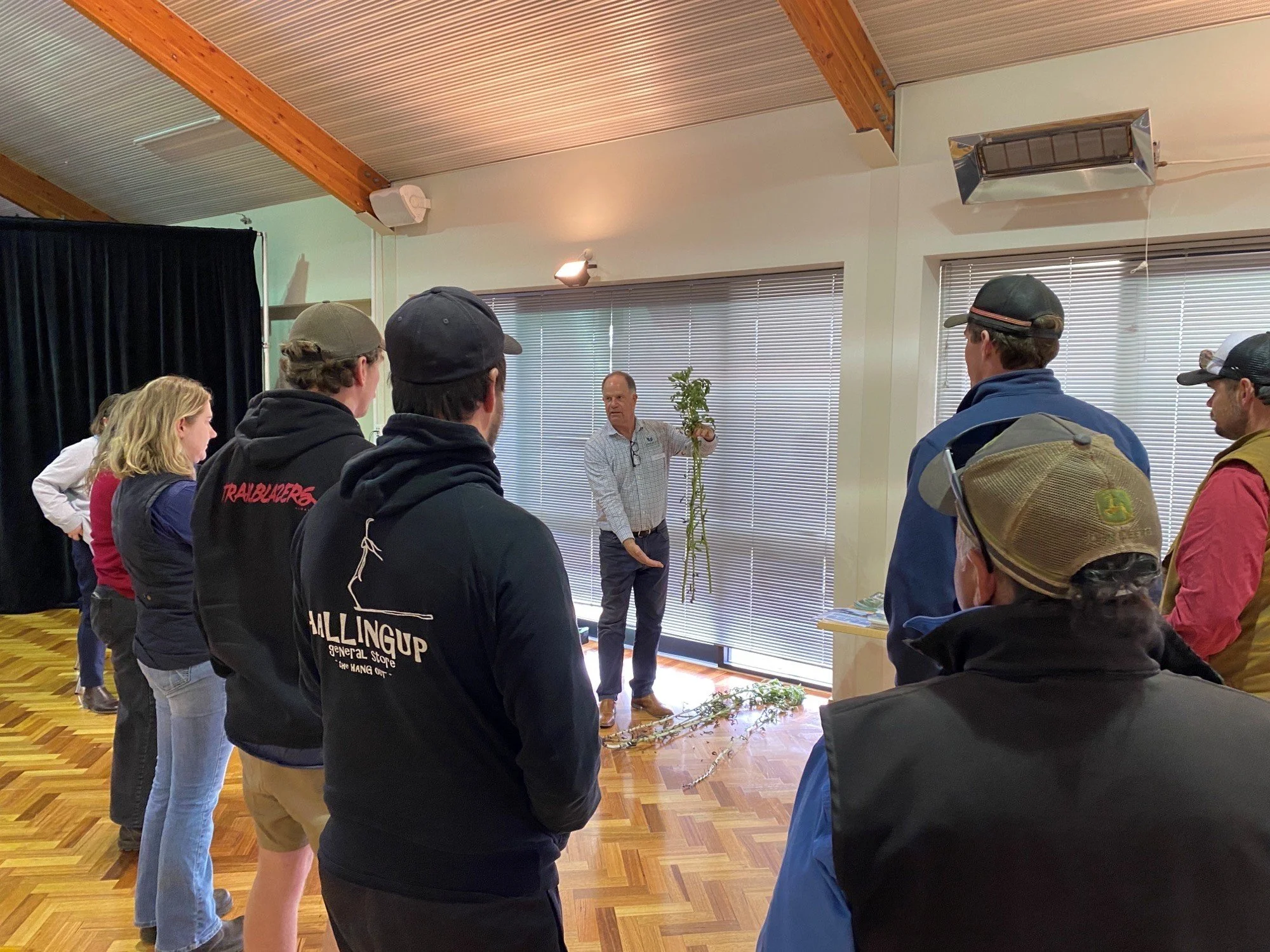
Identifying appearances of crops – all growth stages - We physically looked at tissue samples.
Garren wants to encourage growers as well as agronomists to know the stages of growth in their cereals. This includes identifying the different parts of your crop head (Anther and Seed etc), where the Anther sits at the different stages as well as how the head comes into full development. This understanding aiding growers to identify frost damage as well as other factors that could affect their yield and economic growth. We took a look at frost affected Barley samples, identifying the concaved/slightly indented seeds which has affected the growth of seeds within a head, therefore affecting the overall yield within a field.
Identifying the indicators of possible high frost zones on a farm
Recognising the factors that can indicate a more likely frost affected zone within a paddock. These being paddocks with sandy white soils as well as areas of lower altitude (Valleys, Creek Lines etc)
Things to do in a frost prone zone.
Try and avoid planting wheat – Wheat is the least frost tolerance of the cereals. Frost events can impact your wheat crop more easily in comparison to barley, canola and others. Barley, Oats (work well due to their flower placement being hidden higher within the head, due to the curved like appearance of an oat head), as well as Lupins (great to run sheep across which will in turn fatten your sheep up to increase their individual cost)
Try a longer ‘termed’ seed variety. Avoid having a short growth as its more inclined to be affected by frost at the growth stage then. Aim for a variety that will still be developing their head and seeds post September. This will minimise the chance of frost damaging the head after it has been developed.
Timing – your seeding time is important to factor in to delay the chance of earlier development. For instance, if you were planting Barley, aim to seed your more frost prevalent zones last, therefore allowing the crop a longer growth period through September, minimising the chance of frost damage on a developed head.
Grazing – Another method that can elongate the growing length of your crops. By bring sheep onto the crop when it sits around 20cm for about 2 weeks. The sheep will graze the low-lying plants back to the bottom, and once the stock is removed from the paddock, the crop will be given another beginning to grow from. This will delay your harvest date, again allowing your heads to develop post peak frost timing.
Strategies to minimise the impact of frost on your cropping income
Firstly identifying the areas on your farm that may be more inclined to frost, then acknowledging that they might need a different, more cautious cropping plan in comparison to the remainder of that paddock or the rest of the farm. Utilising a traffic light method, red light being those zones prone to frost events. In these areas you want to act cautiously, no risk taking and keep it by the book. Plant varieties that best suit frost prone areas. In your zones that have a medium risk of frost, these are yellow. Within these zones variations can be made, stuff you know will work but you might change a nutrience or weeding variable. You higher altitude spots, or your less frost prone zones are green. Here you can trial methods, try new crops and have shorter ‘termed’ seed varieties.